

HTTP 200 verified twice
Agent platforms · Tool
Semantic Kernel
ResearchedSemantic Kernel helps build AI agents and future-proof AI solutions in Python, .NET, or Java. It exposes Kernel, Plugins, Memory, and Agent Framework concepts, with enterprise components including Filters, Security, and OpenTelemetry-based Observability.
Official site snapshots
Visit live site See the official site at a glance
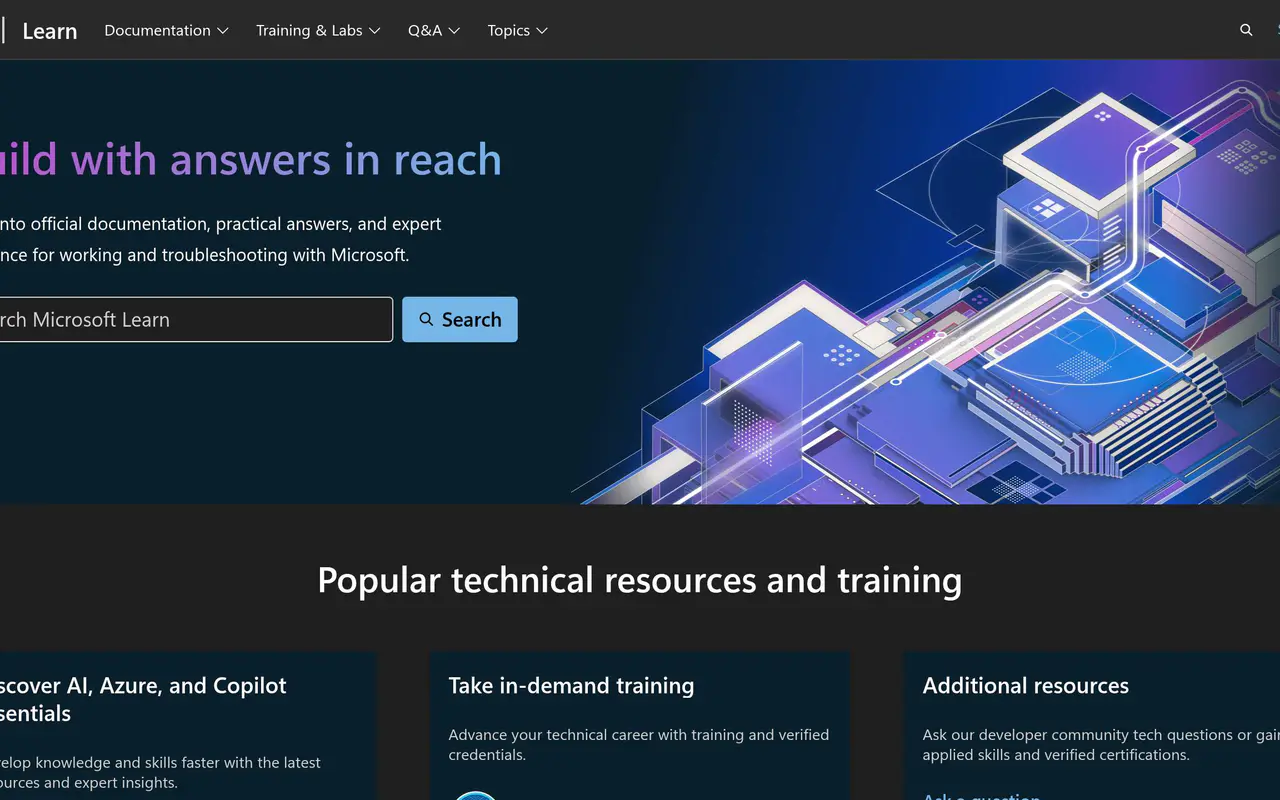
Read-only public captures of Semantic Kernel’s homepage. Screenshots are dated, never live embeds, and open full-screen.
1 earlier capture
In one minute
Start here for the decision-making essentials: what Semantic Kernel does, who it is for, how it is accessed, and the first-party sources behind this profile.
PricingCurrent signal
See official pricing
Platforms
Web
API accessNot public
FoundedNot disclosed by source
AvailabilityWeb / remote
LicenseProprietary
Best suited to
Source-backed fit Teams building AI agents in Python, .NET, or Java Enterprises needing AI security and permission validation Developers wanting OpenTelemetry-compatible observability Organizations building future-proof AI solutions Projects requiring RAG or PII redaction via prompt filters Teams needing distributed tracing across services
Decision support
6 sourced answersCommon questions and adoption checks
Short answers to the questions buyers and builders commonly ask about Semantic Kernel. Each answer cites the shared ledger below, where every source is listed once.
01What does Semantic Kernel say it can do?
Enables building robust, future-proof AI solutions that evolve with technological advancem · Filters enhance security by providing control and visibility over how and when functions r · Prompt Render Filters run before prompt rendering and can view and modify the prompt sent · Prompt Render Filters can prevent prompt submission to the AI by overriding the function r
Learn to build robust, future-proof AI solutions that evolve with technological advancements.
Ledger citations[1] learn.microsoft.com/en-us/semantic-kernel[4] learn.microsoft.com/en-us/semantic-kernel/concepts/enterprise-readiness/filters[2] learn.microsoft.com/en-us/semantic-kernel/get-started/quick-start-guide[3] learn.microsoft.com/en-us/semantic-kernel/concepts/enterprise-readiness/observability
02What use cases does Semantic Kernel describe?
Filters can validate permissions before an approval flow begins so only select users can t
filters are leveraged to validate permissions before an approval flow begins.
03What integrations does Semantic Kernel document?
Step-by-step getting-started notebooks for Python and C# developers · OpenTelemetry
If you're a Python or C# developer, you can quickly get started with our notebooks
04What security or data-control information does Semantic Kernel publish?
Security is provided as an enterprise component alongside Observability and Filters
Enterprise Components Observability Security Filters
Ledger citation[1] learn.microsoft.com/en-us/semantic-kernel
05What support information does Semantic Kernel publish?
Users can engage with the Semantic Kernel community and blog for updates and contact · Reporters should receive an initial response to security vulnerability reports within 24 h
Read the Semantic Kernel blog Get in touch with the community
06Which languages does Semantic Kernel list?
Semantic Kernel provides a 'Supported Languages' topic under Getting Started, indicating m · Python, .NET, and Java
Supported Languages
Decision guide
Agent platformsCapabilities and operating fit
This profile connects the jobs Semantic Kernel is described as handling with its delivery model, access options and the subjects used to match it to related products in this directory.
Common use cases
- Build AI agents with back-and-forth conversations
- Validate permissions before an approval flow begins
- Track activities across services with distributed tracing
- View and modify prompts for RAG or PII redaction
- Override function results to enable semantic caching
- Monitor kernel function execution time and token consumption
Topics mapped
Verified capabilities
- Enables building robust, future-proof AI solutions that evolve with technological advancem
- Filters enhance security by providing control and visibility over how and when functions r
- Prompt Render Filters run before prompt rendering and can view and modify the prompt sent
- Prompt Render Filters can prevent prompt submission to the AI by overriding the function r
- Build AI agents
- Hold back-and-forth conversations with an AI
- Give AI agents the ability to run user code
- Watch the AI create plans on the fly
Recorded integrations
Access signals
- Pricing model
- See official pricing
- API
- Not publicly listed
- Source links
- 6 recorded
Source-backed
Updated July 22, 2026Verified facts
Each fact points to a recorded source, making it easy to distinguish verified product information from claims that need checking.
Semantic Kernel documentation | Microsoft Learn
Enables building robust, future-proof AI solutions that evolve with technological advancem · Exposes core concepts including Kernel, Plugins, Memory, Frameworks, Process Framework, an · Security is provided as an enterprise component alongside Observability and Filters
Enables building robust, future-proof AI solutions that evolve with technological advancements
Semantic Kernel exposes core concepts including Kernel, Plugins, Memory, Frameworks, Process Framework, and Agent Framework
Security is provided as an enterprise component alongside Observability and Filters
Semantic Kernel provides a 'Supported Languages' topic under Getting Started, indicating multi-language support
Users can engage with the Semantic Kernel community and blog for updates and contact
View 17 more verified facts
Reporters should receive an initial response to security vulnerability reports within 24 hours.
Filters enhance security by providing control and visibility over how and when functions run, supporting enterprise readiness and responsible AI.
Filters can validate permissions before an approval flow begins so only select users can trigger the process.
Prompt Render Filters run before prompt rendering and can view and modify the prompt sent to the AI, for example for RAG or PII redaction.
Prompt Render Filters can prevent prompt submission to the AI by overriding the function result, enabling scenarios such as Semantic Caching.
Build AI agents
Hold back-and-forth conversations with an AI
Give AI agents the ability to run user code
Watch the AI create plans on the fly
Python, .NET, and Java
Step-by-step getting-started notebooks for Python and C# developers
Semantic Kernel emits logs, metrics, and traces compatible with the OpenTelemetry standard.
OpenTelemetry
Supports distributed tracing to track activities across different services and within Semantic Kernel.
Emits metrics from kernel functions and AI connectors, including kernel function execution time and token consumption.
Logs meaningful events and errors from the kernel, kernel plugins and functions, and AI connectors.
Learn to build robust, future-proof AI solutions that evolve with technological advancemen · Concepts include Kernel, Plugins, Memory, Frameworks, Process Framework, Agent Framework · Enterprise Components include Observability, Security, Filters
Practical capabilities
8 documented areasWhat it helps with
A concise view of the jobs, capabilities and integrations described in the recorded product sources.
Build AI agents with back-and-forth conversations
Validate permissions before an approval flow begins
Track activities across services with distributed tracing
View and modify prompts for RAG or PII redaction
Override function results to enable semantic caching
Monitor kernel function execution time and token consumption
Give AI agents the ability to run user code
Watch the AI create plans on the fly
Availability
Source checkedWhere it runs and where to get it
Documented product formats, platforms and official distribution destinations. Availability can vary by region and plan.
Cost / license
See official pricing
Platforms
Semantic Kernel exposes core concepts including Kernel, Plugins, Memory, Frameworks, Proce
Adoption notes
DeploymentNot disclosed by source
LicenseNot disclosed by source
Model supportNot disclosed by source
Data controlSecurity is provided as an enterprise component alongside Observability and Filters
Learning curveIntermediate
Primary use casesBuild AI agents with back-and-forth conversations, Validate permissions before an approval flow begins, Track activities across services with distributed tracing, View and modify prompts for RAG or PII redaction, Override function results to enable semantic caching, Monitor kernel function execution time and token consumption, Give AI agents the ability to run user code, Watch the AI create plans on the fly, Filters can validate permissions before an approval flow begins so only select users can t
What to verify before adopting
Evolution and major updates
Research in progressSemantic Kernel timeline
A concise history of software releases and material product changes. Events appear only when a dated source supports what changed.
Scheduled for research
Building a reliable release history.
This profile is being checked for dated releases and material product changes. Nothing appears here until the exact date and event can be verified from a recorded source.
Dated event Short explanation Original source
Citation ledger
6 unique pagesRecorded sources
Facts, answers, structured details, milestones and primary resource links cite this shared ledger. Each external page appears once; release tags from the same GitHub project are grouped under one release history.
- 1learn.microsoft.com/en-us/semantic-kernel 9 facts · 4 answers · Official site
- 2learn.microsoft.com/en-us/semantic-kernel/get-started/quick-start-guide 6 facts · 3 answers · Official site
- 3learn.microsoft.com/en-us/semantic-kernel/concepts/enterprise-readiness/observability 5 facts · 2 answers · Official site
- 4learn.microsoft.com/en-us/semantic-kernel/concepts/enterprise-readiness/filters 4 facts · 2 answers · Official site
- 5learn.microsoft.com/en-us/semantic-kernel/support/SECURITY 1 fact · 1 answer · Security
- 6learn.microsoft.com/en-us/lifecycle/faq/internet-explorer-microsoft-edge Official site
Research status24 substantive facts · 6 source pages · quality score 88/100